RSS

Knowledge

Elevate Machinery Performance With Reliable Connectivity
Elevate
Modern machines are becoming more intelligent, interconnected, and autonomous. Reliable connectivity is the essential backbone that drives this evolution. However, builders face several critical challenges when designing the next generation of machinery.
Powering Data Centre Efficiency, with Moxa
Powering
PUE is a critical metric for data center energy efficiency. By leveraging its deep global data center expertise, Moxa delivers industry-trusted solutions for real-time PUE tracking. Integrating EPMS, BMS, and DCIM data enables our technologies to identify inefficiencies early and gain actionable insights into cooling and power performance.
Your One-stop Shop for Control Cabinet Connectivity
Your
Moxa transforms cramped control cabinets into high-performance nerve centers through industrial-grade connectivity and 38 years of expertise. Thjey bridge the gap between legacy systems and next-gen infrastructure, ensuring your network is easier to build, maintain, and scale.
Open Automation with WAGO I/O System 750
Open
Automation systems rarely exist in isolation and are often required to combine equipment, controllers, and field devices from multiple manufacturers while keeping systems compact, reliable, and cost-effective.
Take your Network Security a step further with our Moxa ACL White Paper
Take
In our latest white paper, we look into how Moxa Access Control Lists (ACLs) can enhance the security of your industrial network. While port security is great for blocking untrusted users, Moxa ACLs take it a step further by filtering traffic from trusted users or devices that may pose a risk.
Tosibox - Starlink Integration Whitepaper
Tosibox
Many customers who have Starlink do not realise its limitations when trying to implement VPN technology. Starlink uses CGNAT (carrier grade network translation), - CGNAT does not support port forwarding to an internal service – such as a VPN, web servers etc… nor does it allocate a routable static IP address. Outbound sessions operate just like any other internet service, allowing traffic to flow back and forth over an established session state.
Screened Cables with EMC Protection in Industrial Applications
Screened
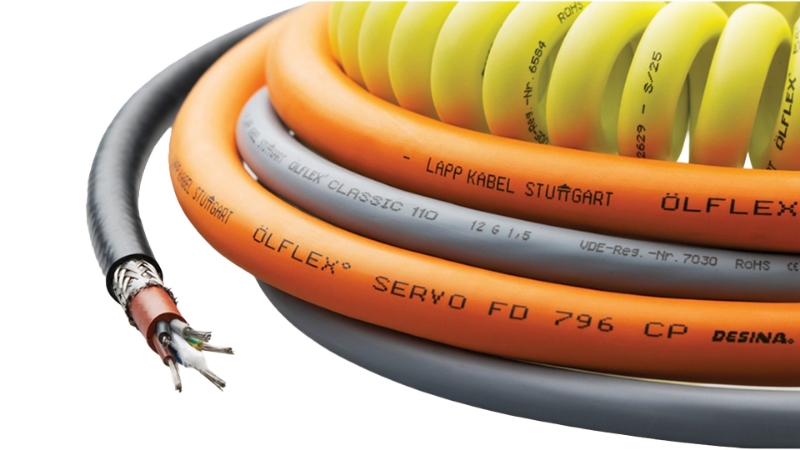
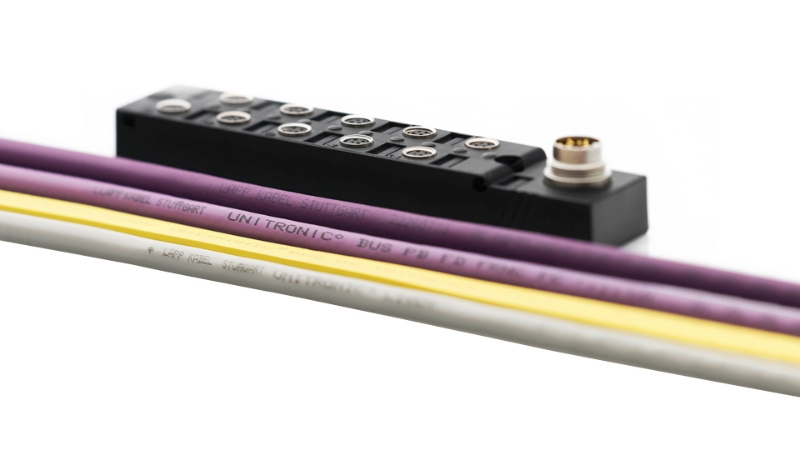
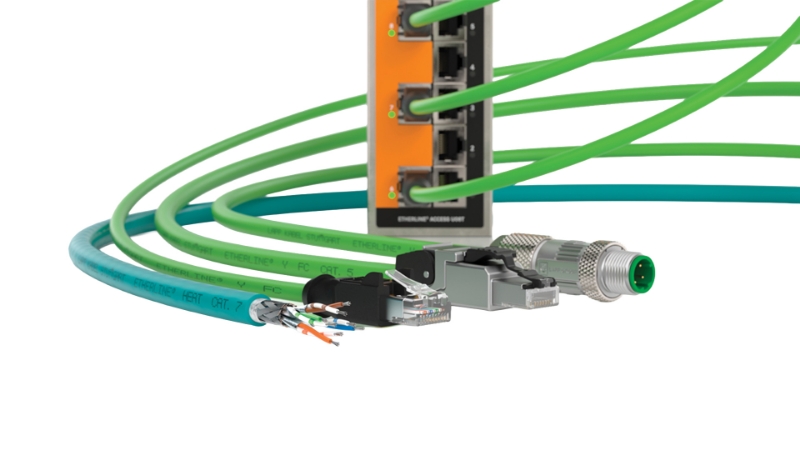
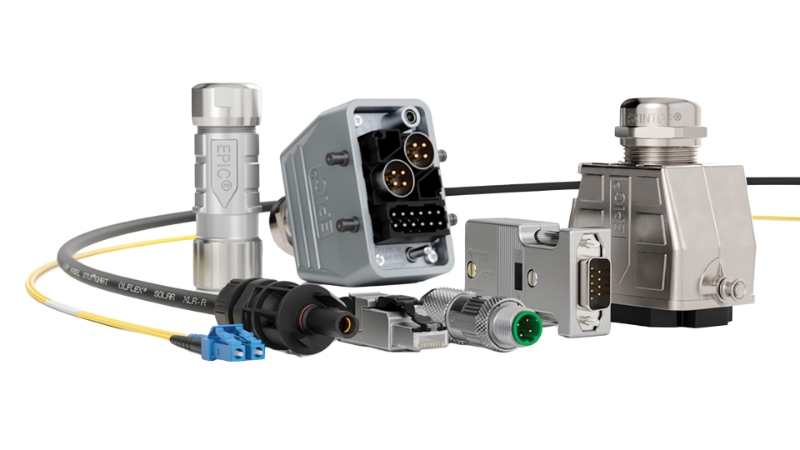
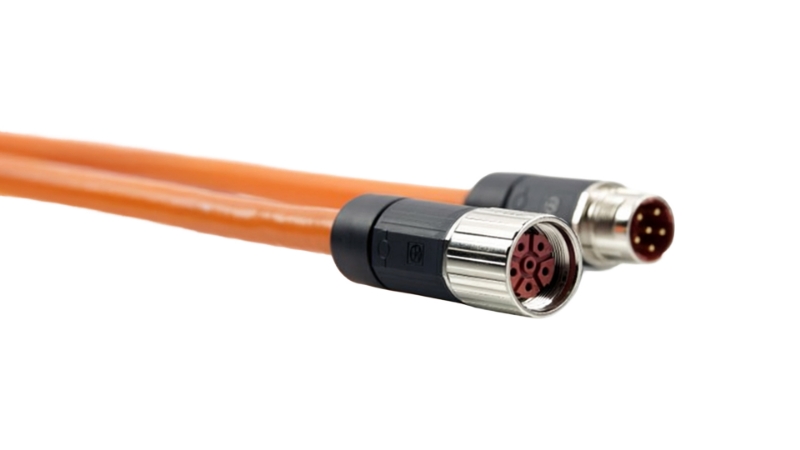
Why is EMC protection important? Nowadays it’s difficult to find or create a product or industrial plant without modern cabling technology. Industry 4.0, Big Data and fully automated processes are on everybody’s lips. Read more about EMC protection when it comes to selecting the right cables and connectors.
Seamless Modular I/O Integration with WAGO
Seamless
Wago Controllers and the Wago I/O System 750 work together to create a flexible and efficient automation solution, tailored for a variety of industrial applications. The Wago I/O System 750 consists of a range of modular I/O modules, designed for decentralised automation tasks. These modules connect seamlessly with Wago Controllers and go a step further by combining traditional PLC functions with advanced data processing capabilities, making them ideal for IoT applications as well. Programming is conducted using CODESYS V3.5 software, where users define the control logic and algorithms.
Wago I/O System 750 - The Connectivity Hero
Wago
Boasting more than 500 I/O modules, programmable controllers and fieldbus couplers, WAGO’s I/O System offers all the functions required for your automation needs – and every fieldbus. The remote I/O System is the decentralised peripheral for automation technology. The tool-free wiring is intuitive for worldwide use, and the lever ensures that the contact point is always securely closed. The optional pluggable connection for the 753 Series minimises both hardware and system expenses.
WAGO I/O Controllers Have You Covered
WAGO
WAGO offers programmable controllers in a wide variety of performance classes for performing any automation task. And, they can be used for both centralised and decentralised applications. For decentralised control tasks, the WAGO controllers can be incorporated into the most prevalent fieldbus networks and they record all field signals via I/O modules.