For New Zealand OEMs and machine builders exporting industrial equipment to the United States, selecting the right UL-certified cable is an important part of machine design.
UL certification can be a key requirement for machinery entering the North American market, and the certification needs to match the cable's intended application. For machine builders, getting this right during the design stage can help avoid cable substitutions, rework and delays later in the project. At ECS, we offer a range of LAPP cables with UL and CSA approvals designed for North American applications, including control, tray, servo and data applications.
Why does UL cable certification matter when exporting machinery to the US?
Cable selection forms part of the wider machine design and certification process. A cable that is suitable for an application in New Zealand is not necessarily suitable for the same application in the US simply because its electrical characteristics appear adequate. The relevant certification, ratings and conditions of use need to be considered for the specific cable and application.
When reviewing LAPP cable for North American machinery, OEMs may encounter two UL designations in particular: UL Listed and UL Recognised. These designations have different meanings and different conditions of use, so understanding the distinction is an important part of selecting the right cable for the application.
What's the difference between UL Listed and UL Recognised?
UL Listed and UL Recognised are different certification categories and should not be treated as interchangeable. The distinction is important when selecting cable for export machinery because the certification, ratings and conditions of use need to be appropriate for the way the cable will be used.
UL Solutions explains that the UL Recognised Component Mark applies to components intended to be incorporated into a larger UL Certified end product. Recognised components are evaluated under defined conditions of acceptability, which specify how the component can be used in the finished product.
UL's wire and cable guidance also distinguishes between Listed and Recognised products. For example, UL notes that internal equipment wiring may use UL Listed conductors or UL Recognised Appliance Wiring Material (AWM), with Recognised wiring subject to further evaluation as part of the end product.
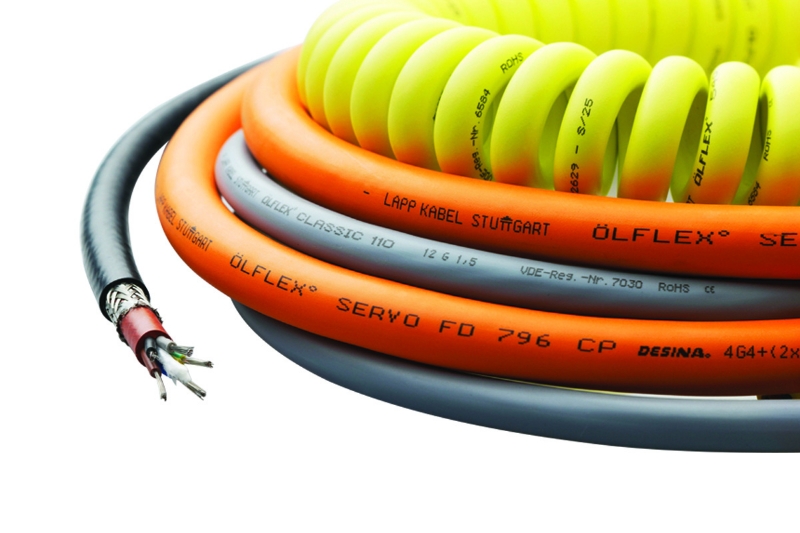
LAPP's product documentation demonstrates the distinction within its own range. ÖLFLEX® CONTROL TM and ÖLFLEX® TRAY II products are identified as UL Listed, while ÖLFLEX® 150 and ÖLFLEX® 191 products are identified as UL Recognised.
| Certification | Definition according to UL Solutions |
|---|---|
| UL Listed | The product has been evaluated for its intended use against applicable safety requirements and standards. |
| UL Recognised | The component has been evaluated for incorporation into a larger UL Certified end product, subject to defined conditions of acceptability. |
| UL/CSA Certification | The specific product may carry certification relevant to US and/or Canadian requirements. The individual product documentation should be checked. |
The important question therefore isn't simply "Does this cable have UL approval?" It is: "Does this particular cable have the certification and ratings required for the way it will be used in this machine?"
UL Solutions recommends checking certification information and applicable conditions through its Product iQ database.
So what should NZ machine builders consider when selecting UL cable?
UL certification is only one part of cable selection. The cable also needs to be suitable for the electrical, mechanical and environmental conditions of the machine and its installation.
Voltage & Temperature
Check the cable's voltage rating and permissible operating temperature against the requirements of the application. Ratings can vary between products and according to the applicable installation or certification condition, so the technical documentation for the exact cable should be checked.
Installation Method
Consider how the cable will be installed and supported. A cable intended for a particular wiring method or installation environment should not automatically be substituted for another cable simply because the conductor size and voltage rating appear similar.
Screening & EMC
Where electrical noise or electromagnetic compatibility is a consideration, a screened cable may be appropriate. The type and construction of the screen should be considered alongside the equipment, installation and EMC requirements.
Mechanical Movement
For moving machine components, cable flexibility and the expected movement profile need to be considered. A cable suitable for fixed installation should not automatically be assumed to be suitable for continuous movement or repeated flexing.
Environmental Conditions
Oil, UV exposure, temperature, moisture, chemicals and other environmental conditions can influence cable selection. The relevant environmental characteristics should be checked against the manufacturer's technical data for the exact product.
What can happen if cable requirements are considered too late?
Changing cable after a machine has been designed, built or tested can create unnecessary work. A cable substitution may affect routing, termination, dimensions, flexibility, shielding or other aspects of the installation. For machinery intended for the North American market, cable selection should therefore be considered during the design stage rather than treated as a final purchasing decision. Confirming the required certification, cable construction, ratings and installation conditions early can help reduce the risk of having to make changes later in the project.
Which UL-rated cables are available from ECS NZ?
We offer a wide range of LAPP UL rated cables for machine wiring, control panels, automation systems and industrial equipment. The range includes single core appliance wire, screened and unscreened control cables, with grey, black and clear sheath options for different industrial applications. Many LAPP cables are available with UL, UL Recognised/AWM and CSA certifications, helping Australian & New Zealand customers select cable products suited to North American requirements. Explore our UL cable range below or speak with the team for assistance selecting the right cable for your machinery or export project.
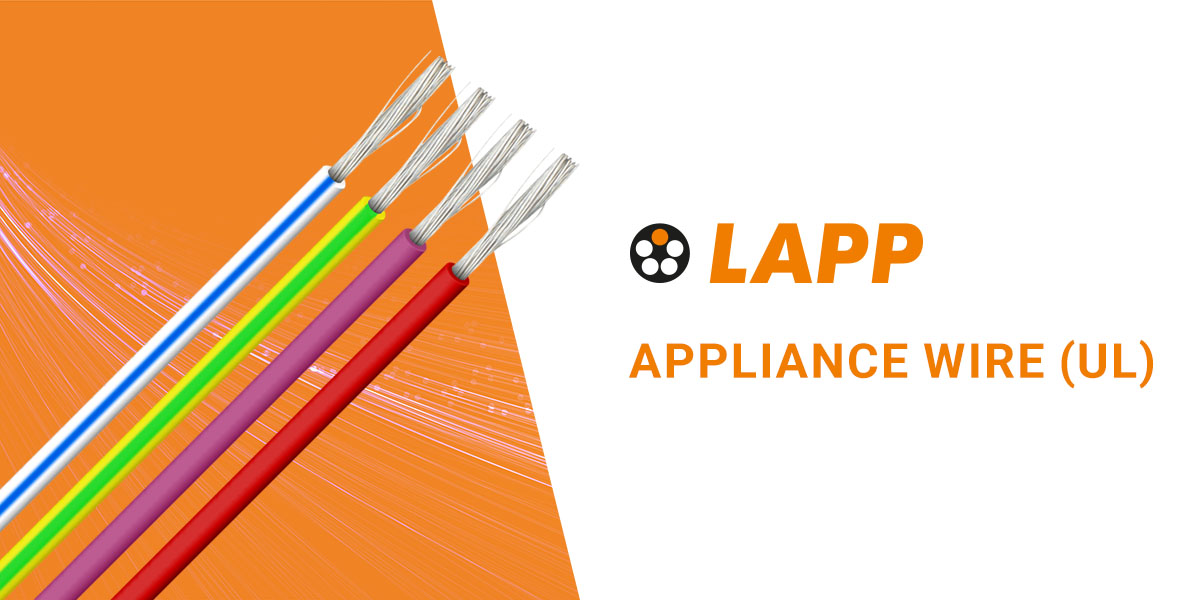
UL Appliance Wire
ÖLFLEX® Multi-Standard SC
UL-approved appliance wire for internal equipment and machine wiring applications.
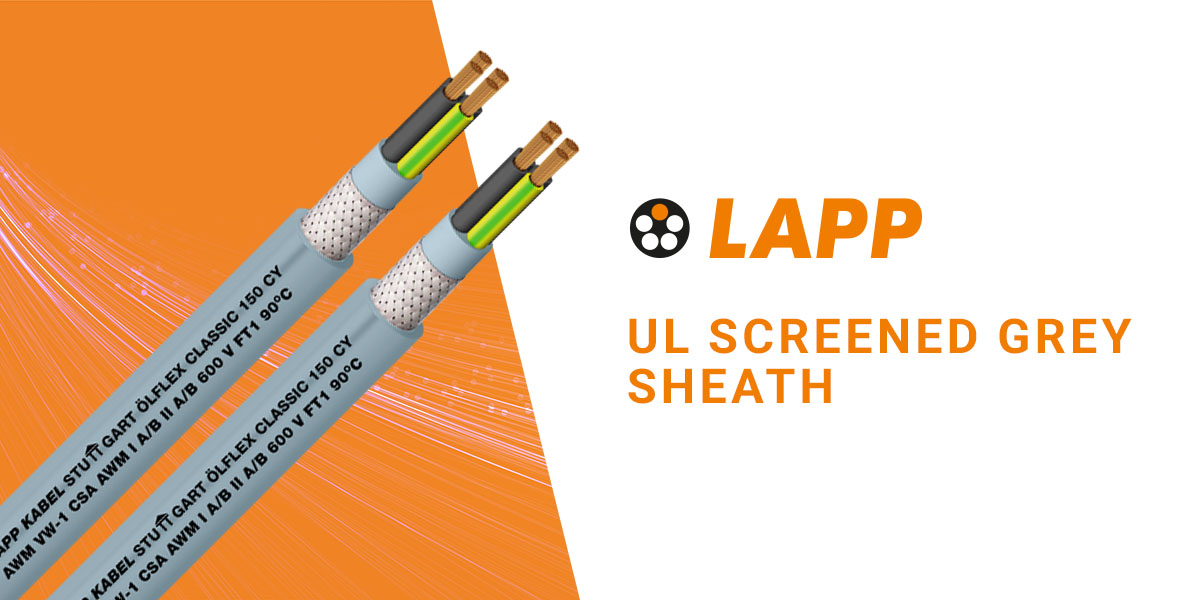
UL Screened – Grey Sheath
ÖLFLEX® 191 CY · ÖLFLEX® 150 CY · ÖLFLEX® CONTROL TM CY
Screened UL-rated cable with a grey outer sheath for applications where cable screening is required.
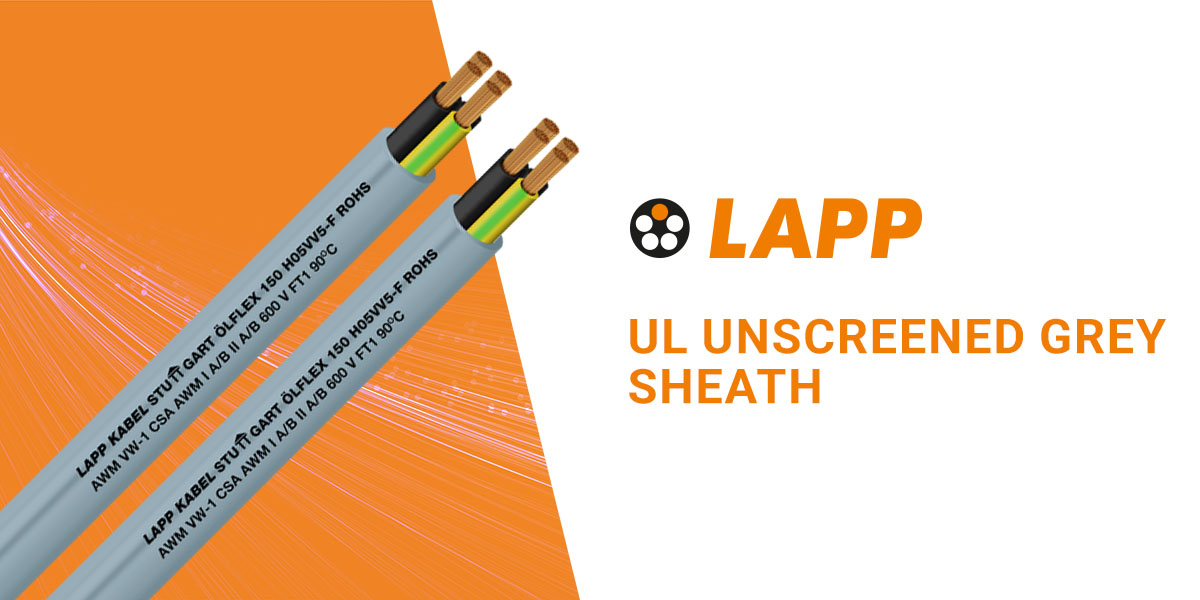
UL Unscreened – Grey Sheath
ÖLFLEX® 150 · ÖLFLEX® 191 · ÖLFLEX® CONTROL TM
Unscreened UL-rated cable with a grey outer sheath for control and machine wiring applications.
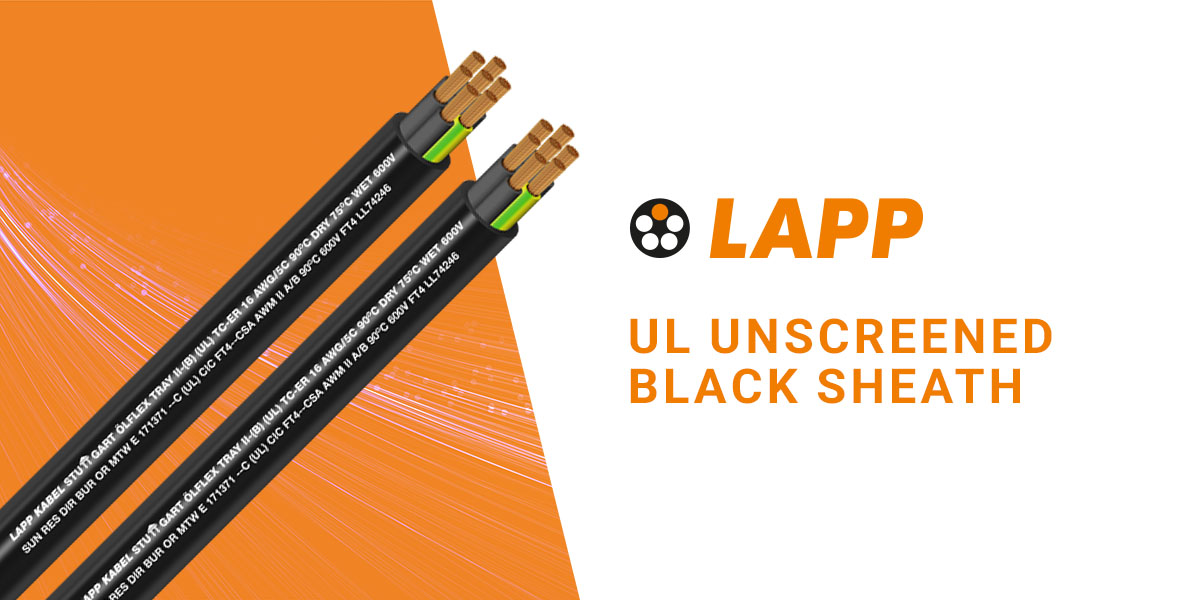
UL Unscreened – Black Sheath
ÖLFLEX® TRAY II
Unscreened UL-rated cable with a black outer sheath for suitable industrial and machine-building applications.
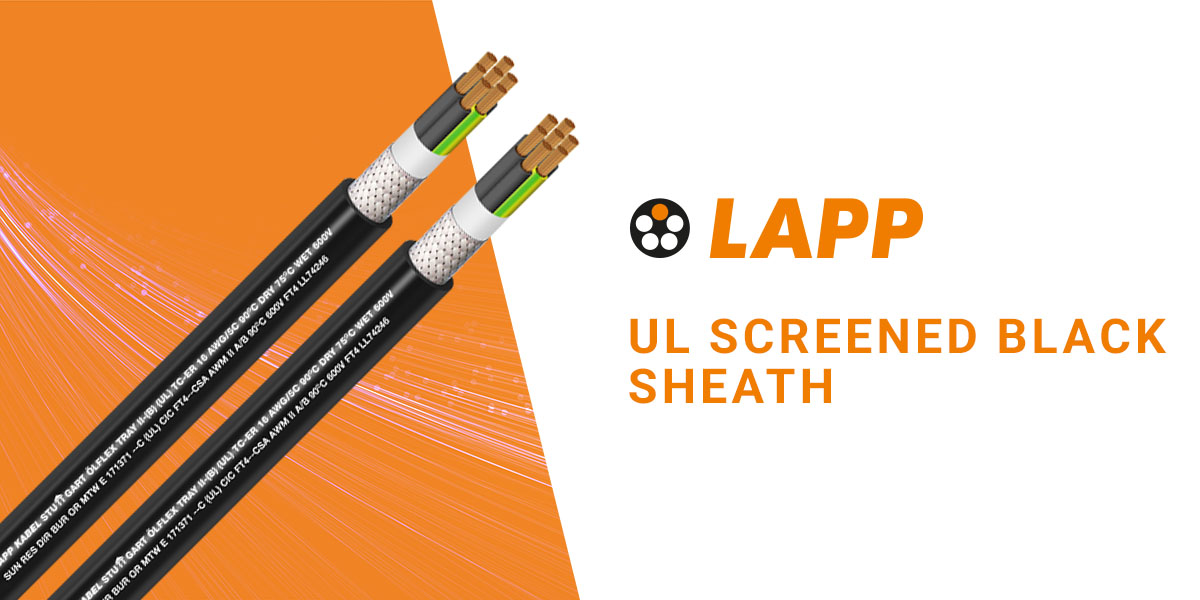
UL Screened – Black Sheath
ÖLFLEX® TRAY II CY · ÖLFLEX® SERVO 9YSLCY-JB
Screened UL-rated cable with a black outer sheath for applications where cable screening is required.
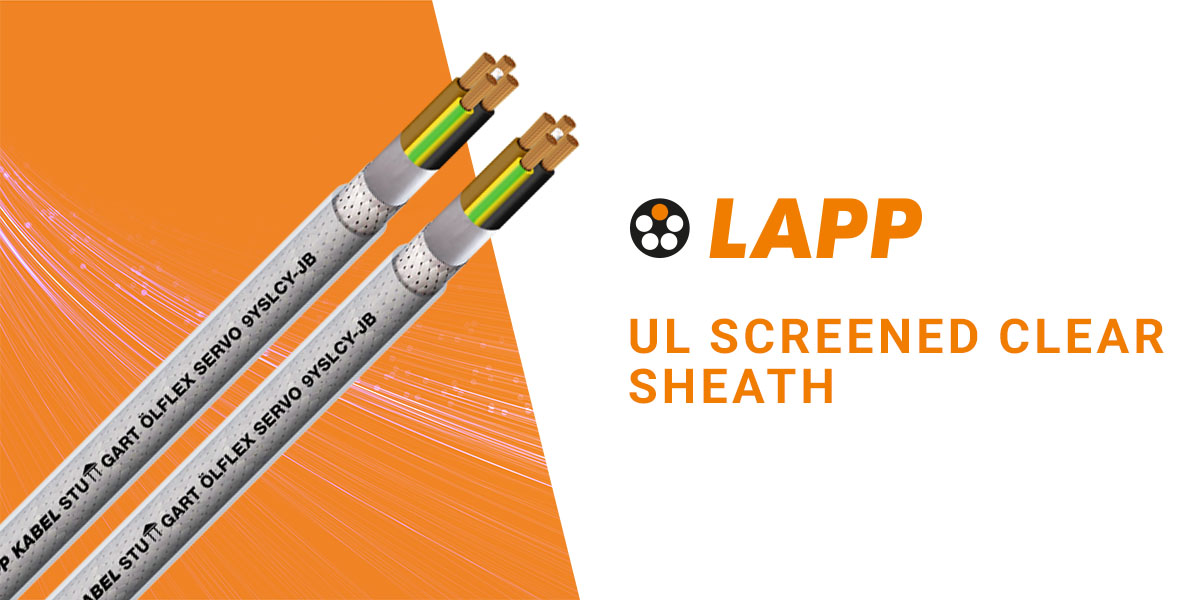
UL Screened – Clear Sheath
ÖLFLEX® SERVO 9YSLCY-JB
Screened UL-rated cable with a clear outer sheath for applications requiring this specific cable construction.
A Practical UL Cable Selection Checklist for OEMs
Based on a combination of guidelines from UL Solutions and LAPP technical documentation, this practical checklist covers some of the key considerations when specifying cable for machinery destined for the US or wider North American market. Please note: this is not a definitive list of compliance requirements.
- Identify the application. Determine whether the cable is being used for control, power, servo, data, internal equipment wiring or another application.
- Check the required certification. Confirm whether the application calls for a UL Listed product, a UL Recognised component or another specific certification.
- Check voltage and temperature ratings. Confirm that the exact cable is suitable for the electrical and thermal conditions of the application.
- Check the installation method. Confirm that the cable's certification and ratings apply to the way it will be installed.
- Consider screening requirements. Determine whether a screened or unscreened construction is appropriate for the machine and its EMC environment.
- Consider mechanical requirements. For moving applications, check the cable's suitability for the expected movement and flexing.
- Check environmental conditions. Review the manufacturer's data for factors such as oil, UV exposure, temperature and moisture where relevant.
- Verify the exact product. Check the manufacturer's technical documentation and certification information for the specific cable being specified.
Need help selecting the right UL-rated cable?
Our experienced team can help you select the right LAPP cable for machinery being designed or exported to North America. Speak with one of our knowledgeable sales team members for cable selection support, UL and CSA approval enquiries, stock availability, quote requests, cable size enquiries and additional sizes on request.