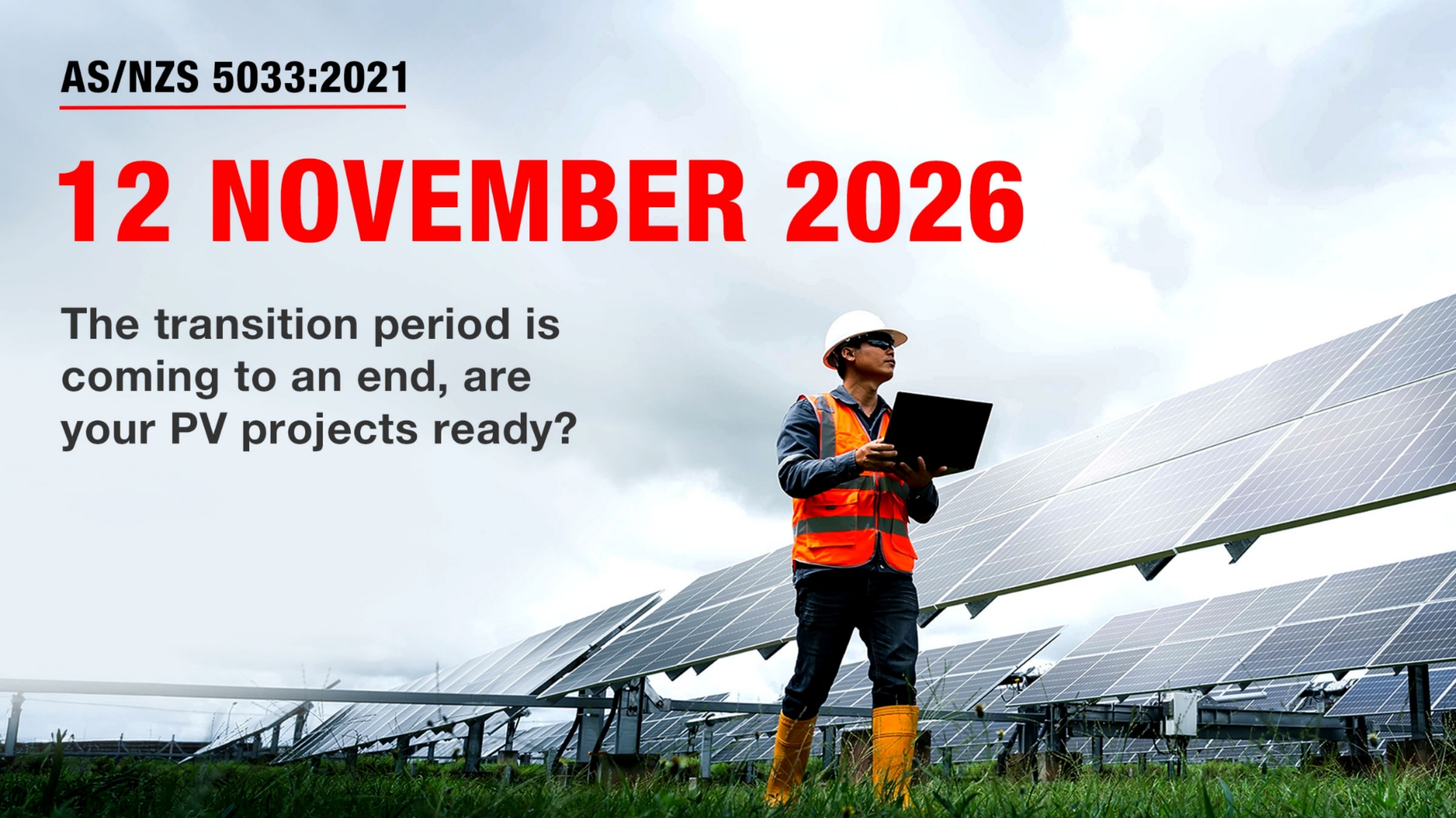
If you design or install PV systems in New Zealand, you will likely be aware of the transition from AS/NZS 5033:2014 to AS/NZS 5033:2021.
According to WorkSafe New Zealand and the EWRB, the transition period ends on 12 November 2026. From 13 November 2026, new work commencing after the transition period must comply with the updated standard. This article is not a detailed review of the standard, but a reminder to ensure your electrical balance-of-system components are up to scratch.
Changes Affecting DC Solar Array Cable
You may have already noticed the implications for Solar Cable since the first 2021 update
We should all be aware by now that DC Solar Cable used above ground must conform to IEC 62930, while cable conforming only to IEC 62930 cannot be used underground. For underground installations, the standard requires cables complying with a relevant standard applying to underground cables. The Clean Energy Council's Advice on AS/NZS 5033 (Version 2, May 2023) is clear on this point: a cable that only meets IEC 62930 isn't sufficient underground.
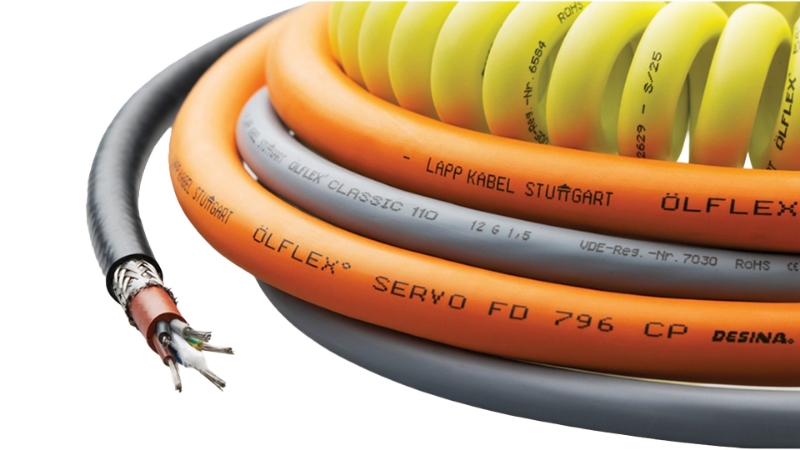
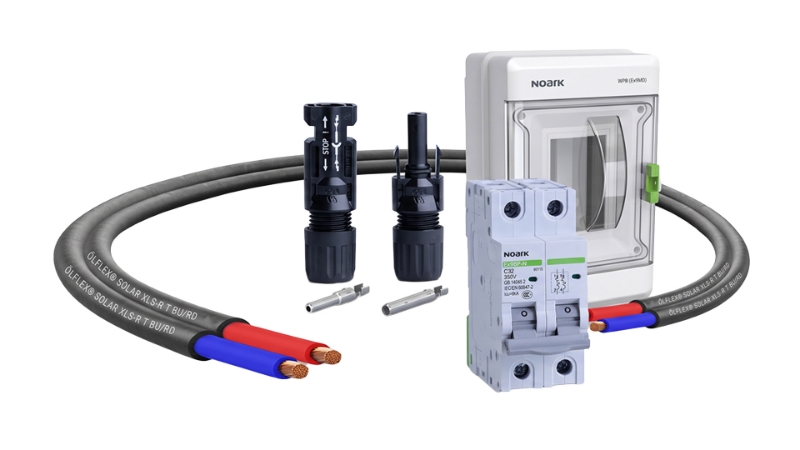
Where PV DC cable goes underground, it needs to comply with a separate standard covering underground cable use as well, in other words, underground cable has to satisfy both IEC 62930 and an appropriate underground-rated standard. LAPP offers some strong Solar Cable solutions for the Solar Array, such as ÖLFLEX® SOLAR XLR-E, certified to EN 50618, and with IEC 62930 conformity by design.
ÖLFLEX® SOLAR XLR-E (I+E) is certified to both EN 50618 and IEC 62930, providing a fully certified option where both standards are required. For underground PV d.c. installations, ÖLFLEX® SOLAR H1 BUR provides a more specific solution. H1 BUR is certified to EN 50618 and IEC 62930, with AD8 permanent water resistance and UL 854 impact and crushing resistance.
LAPP’s documentation states that this cable is suitable for underground installation when laid in a cable trench according to VDE 0891-6, Section 4.2, or comparable standards. All three cables are designed for PV arrays in accordance with the applicable IEC 62930/EN 50618 requirements, but the distinction is important: H1 BUR isn't simply just a higher-spec version of XLR-E or XLR-E I+E; it is designed for a different installation environment.
If it all seems like a bit of a mouthful, here’s a simple breakdown of all three cables.
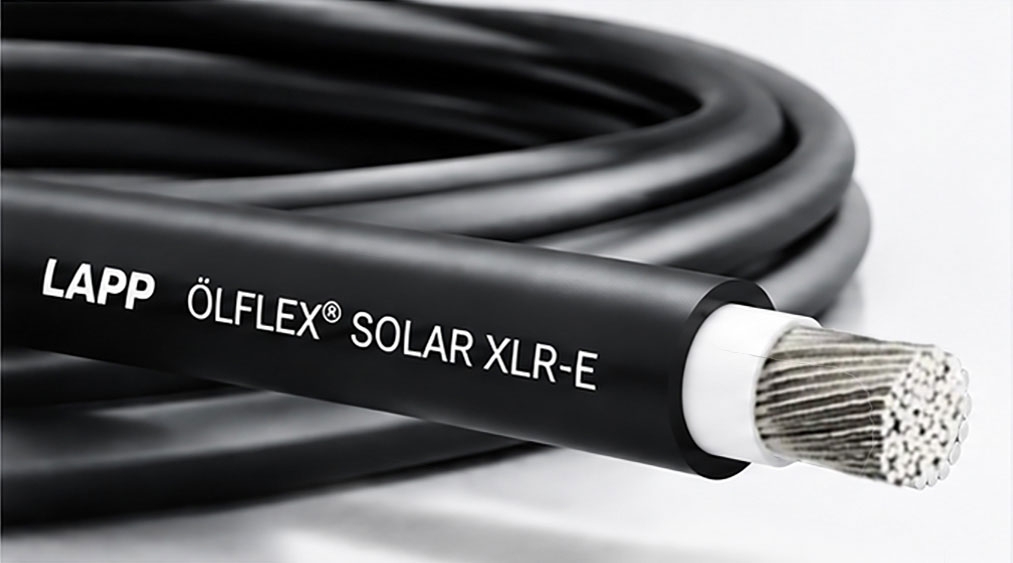
Standard Environment
ÖLFLEX® SOLAR XLR-E
Above Ground PV Array
EN 50618 certified, with IEC 62930 ‘design conformity’, for standard PV installations.
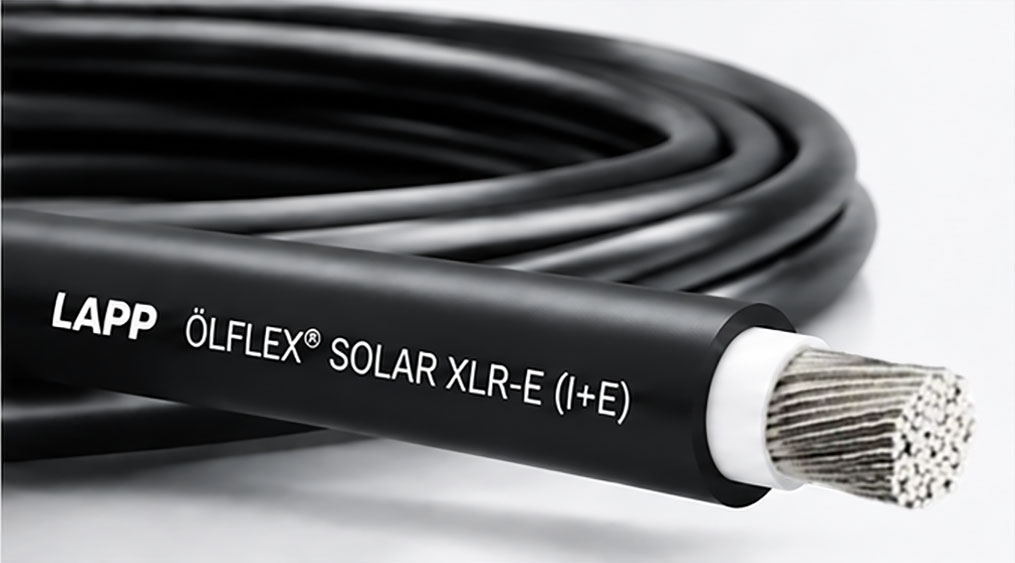
Harsh Environment
ÖLFLEX® SOLAR XLR-E (I+E)
Above Ground PV Array
EN 50618 and IEC 62930 certified, with AD7 temporary water-immersion capability, enhanced cold-impact and bending resistance.
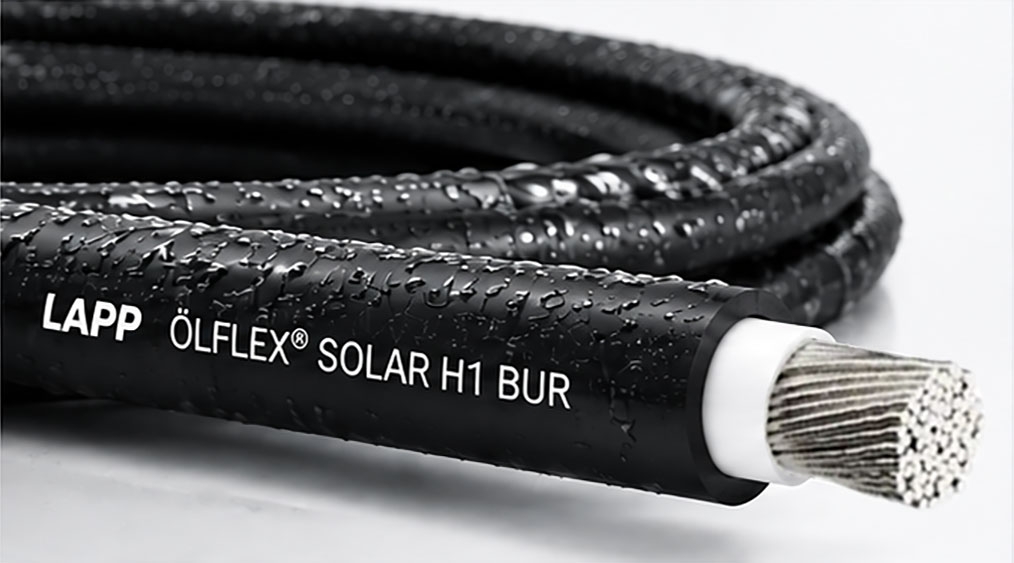
Extreme Environment
ÖLFLEX® SOLAR H1 BUR
Direct Burial* & Floating PV Array (Water Submersible)
EN 50618 and IEC 62930 certified, with AD8 permanent water resistance and UL 854 impact and crushing resistance.
*Suitable for underground installation when laid in a cable trench with a sand bed based on VDE 0891-6 and DIN EN 50174-3.
The key date to remember is November 12th 2026
For applicable new PV work beginning after the transition period, the updated AS/NZS 5033:2021 requirements will apply, which makes now a good time to review current projects, specifications and product selections before the transition deadline arrives. If you have PV projects currently being quoted, designed or scheduled for installation, now is the time to check which standard requirements will apply and make sure the associated products are ready for the change.
MC4 Solar Cable Connectors
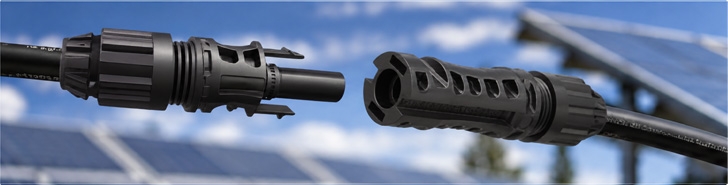
We’re all familiar with MC4’s by now, but what about their main characteristics like max-voltage, amperage, and operating temperature?
With the transition period coming to an end, now is a good time to review your solar cable connections. As PV modules and system configurations are moving to higher max operating voltages, naturally, so are the range of components across the system. Whereas the trusty old original MC4 1000 V dc Connectors have become a staple to the industry, Stäubli’s newer MC4-Evo 2 1500 V dc Connector range ticks a few more important boxes. Combining award winning, best-in-class features for PV connectors such as: 1500 V DC certified (TUV / UL / JET) - maximum current rating at 69A, and salt mist spray test & ammonia resistants, they are well worth consideration.
Under new regulations, PV connectors must be rated for the calculated maximum DC voltage and current, conform to AS/NZS 62852, and be suitable for their installation environment. They must also only be mated with connectors from the same manufacturer that are designed to do so; same type from same manufacturer, no cross-brand mating. Only Stäubli branded MC4 connectors are permitted to be cross-mated between their own generations, such as MC4 Original to MC4-Evo 2 is permitted within the same system, providing the max system voltage does not exceed the lowest rated connector. It is important to be aware, that the mated connection is derated to the lesser of the two components' maximum specifications.
PV Circuit Protection
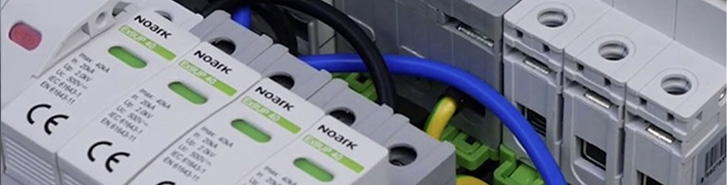
The approach to overcurrent protection on the DC side has changed too. Under the previous standard, string protection was based largely on module short-circuit current.
The 2021 standard instead uses calculated maximum string current and potential fault current, taking into account factors including bifacial-module current and backfeed from other connected sources. The previous 2.4 upper limit for overcurrent protection has also been removed. Where string overcurrent protection is required, DC String Fusing such as a gPV fuse type provides the required DC-specific overcurrent protection.
Circuit breaker requirements have also changed, DC circuit breakers must be rated for DC use and not be polarity sensitive, while also being capable of interrupting the full load and prospective fault currents from the PV array and other connected sources. These requirements can be addressed by using non-polarised DC MCBs designed specifically for photovoltaic systems. The requirements for isolation have also been revised, the 2021 standard introduced alternative isolation arrangements and changed when a rooftop DC isolator is required, with specific provisions applying where alternative disconnection arrangements are used. DC Isolators therefore remain relevant, but appear to no longer be a blanket requirement for every rooftop installation.
Solar Cable Management
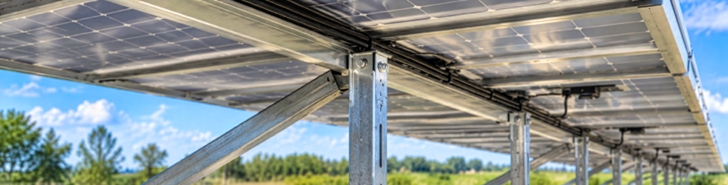
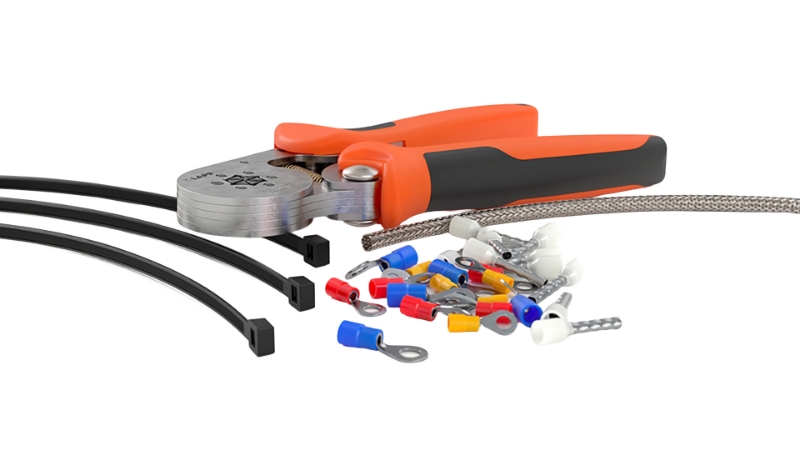
New requirements extend beyond the electrical components themselves. Appropriate routing, support and protection of solar cable are also part of the finished installation. AS/NZS 5033:2021 requires PV d.c. cables to be protected from mechanical damage and supported to prevent undue strain on connections. Cables also need to be protected against abrasion, tension, compression and cutting forces that can arise from thermal cycles, wind and other forces during the life of the installation. Plastic cable ties should not be used as the primary means of support, instead, components like Epoxy Coated Stainless Steel Cable Ties and S/S Cable Clips can be used to provide appropriate cable support and protection.
PV Warning Labels
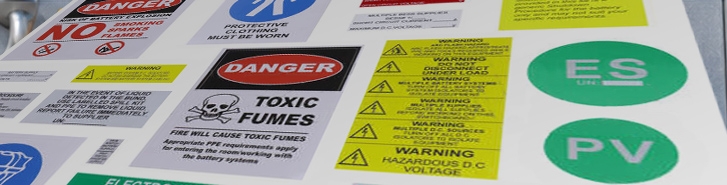
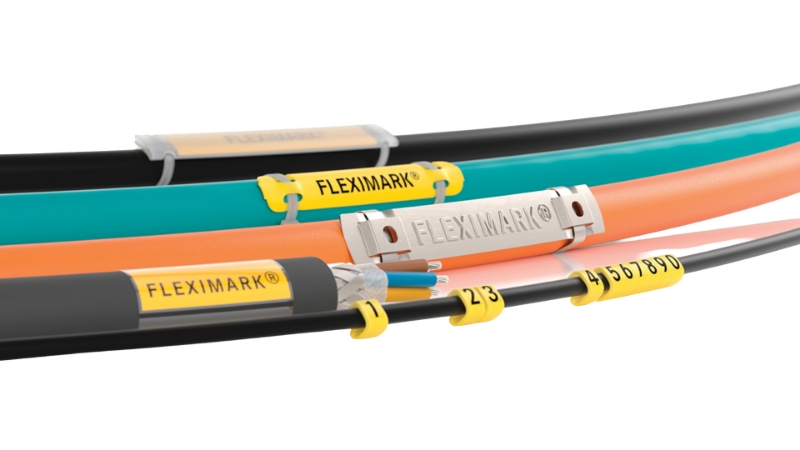
Labelling has become an important addition to check before an installation is completed. AS/NZS 5033:2021 introduced a number of changes to PV marking and signage, including requirements for identifying the isolation arrangement, disconnection points and PV DC cabling. As well as having the correct information and placement, PV labels need to be durable, legible and indelible, with materials and markings suitable for the environment in which they are installed. Where exposed to the elements, resistance to UV and environmental wear is particularly important, so labels remain clear and readable throughout the life of the installation. PV Warning Labels can include dedicated labels and kits covering these applications, along with DC cable warnings, isolator identification and grid-connected, off-grid and commercial installations.
Need help selecting the right eBOS components for your project?
As solar continues to grow into a more significant part of our renewable energy infrastructure, it's important that we all do our part to ensure PV systems and installation methodologies remain safe, reliable and compliant.
If you're not sure you've made all the required changes yet, now's as good a time as any to review your inventory and double-check that your project plans meet the new requirements. Our experienced team can help you select the right components for your application. Speak with one of our specialists for technical advice, product selection, availability and enquiries. Or, explore our range of electrical balance-of-systmens online.
References
- WorkSafe New Zealand. Important update: Changes to Electricity Safety Regulations for electrical installations. 2025. https://www.worksafe.govt.nz/about-us/news-and-media/important-update-changes-to-electricity-safety-regulations-for-electrical-installations/
- New Zealand Government. Electricity (Safety) Amendment Regulations 2025. New Zealand Legislation.
- Standards New Zealand. AS/NZS 5033:2021 — Installation and safety requirements for photovoltaic (PV) arrays. https://www.standards.govt.nz/shop/asnzs-50332021
- Clean Energy Council. Advice on AS/NZS 5033, Version 2. May 2023. https://assets.cleanenergycouncil.org.au/documents/accreditation/Advice-on-ASNZS-5033_V2.pdf
- Energy Safe Victoria. Identifying Mismatched D.C. Connectors in PV Installations. November 2022. https://www.energysafe.vic.gov.au/sites/default/files/2022-12/ESV_Guide_IdentifyingMismatchedDcConnectors_Nov2022.pdf
- Global Sustainable Energy Solutions (GSES). Deep Dive on the New AS/NZS 5033:2021 Updates. https://www.gses.com.au/deepdive-on-as-nzs-50332021-update/
- Global Sustainable Energy Solutions (GSES). PV Overcurrent Protection Changes from AS/NZS 5033:2014 to 5033:2021. https://www.gses.com.au/5033-overcurrent-protection/
- Peacock, B. Australia Removes Much-Criticized DC Isolator Mandate. pv magazine, 23 November 2021. https://www.pv-magazine.com/2021/11/23/australia-removes-much-criticized-dc-isolator-mandate/