







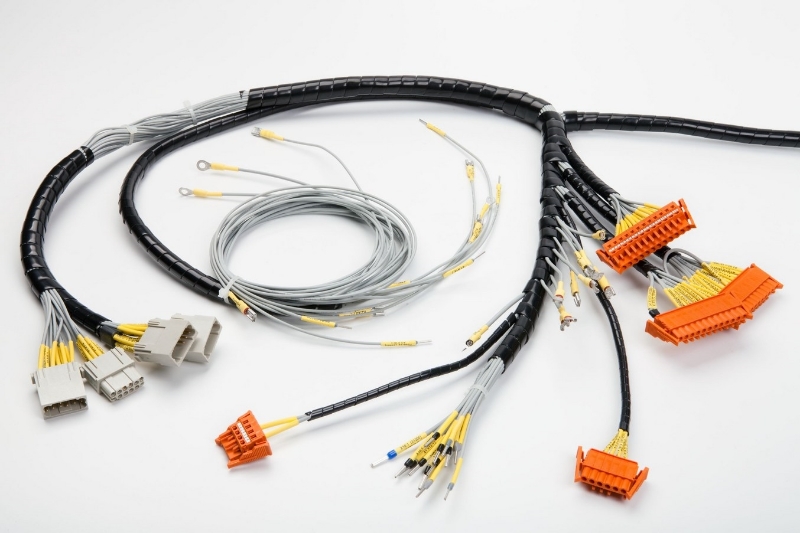

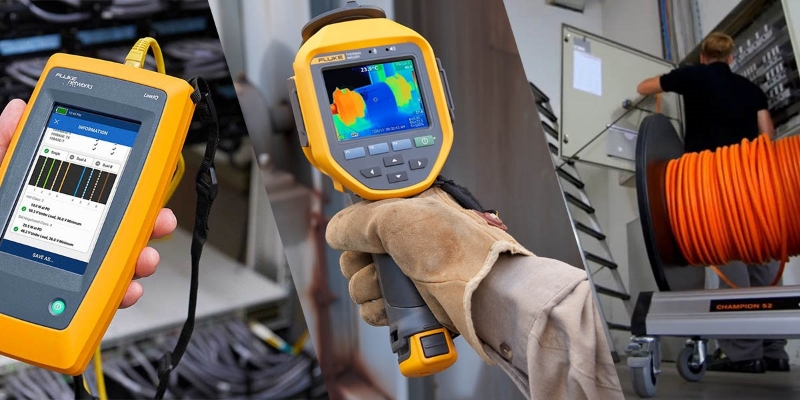

NZ manufacturing is on the rise. During this year’s March quarter, New Zealand’s manufacturing sector was the largest contributor to quarterly GDP growth, increasing by 1.9% and accounting for around 8% of total GDP.
At the same time, manufacturers are being encouraged to adopt more digital technologies. The Government’s recently expanded Digital Manufacturing Light programme will support at least 180 manufacturers across Auckland, parts of Waikato, Northland and the Bay of Plenty. New Zealand’s manufacturing sector has also increased its use of advanced manufacturing technologies by 10.5% since 2023, reflecting the continued adoption of Industry 4.0 technologies across the sector.
For many manufacturers, however, adopting new technology does not mean replacing an entire production environment. New technology needs to work alongside existing machinery, control systems and communications infrastructure. That makes the industrial network increasingly important. But how do you connect different generations of equipment, support new technologies and build a network that remains reliable as the system evolves?

Industrial Network Evolution
Modern industrial networks increasingly sit at the intersection of IT and OT.
Today’s industrial networks require technologies and standards from both worlds: IT technologies and security standards alongside robust industrial protocols and hardware architectures designed for industrial environments.
Fieldbus, serial, wired and wireless connectivity, remote access, network management and security all need to operate within this increasingly connected environment. It is very much a symbiosis of both worlds. ECS supports this convergence through a broad range of Industrial Ethernet, Networking and Automation Technologies, allowing different technologies to form part of the same overall network architecture.
Connecting New Technology With Existing Equipment
Legacy communications technologies remain common in industrial environments.
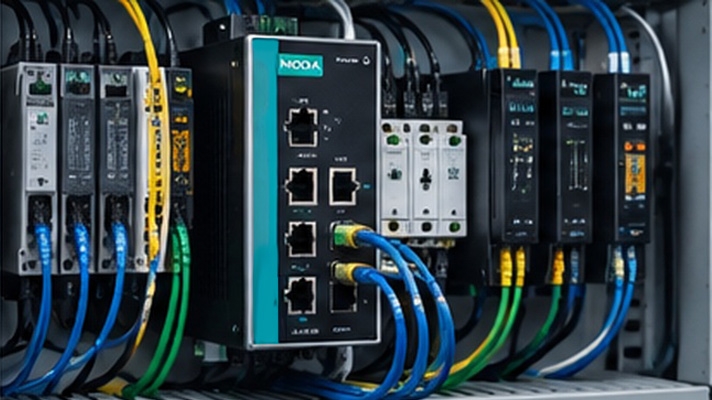
Serial protocols such as Modbus ASCII and Modbus RTU need modern approaches to traverse industrial and commercial Ethernet networks. Fieldbus Protocol Gateways, or protocol converters, provide a way of bridging serial and fieldbus systems to Ethernet networks. This can overcome the distance limitations of legacy serial protocols. Depending on the protocol and network architecture, technologies that may have traditionally operated over relatively short distances can be integrated into networks extending thousands of kilometres, including connections between sites or countries. Serial Connectivity provides another component of this architecture, allowing legacy serial equipment to remain part of a modern communications environment rather than requiring wholesale replacement. The result is a practical way to extend the useful life of existing OT equipment while introducing newer network technologies.

More Devices, More Ways To Connect
There are many different connection methodologies used to connect OT systems.
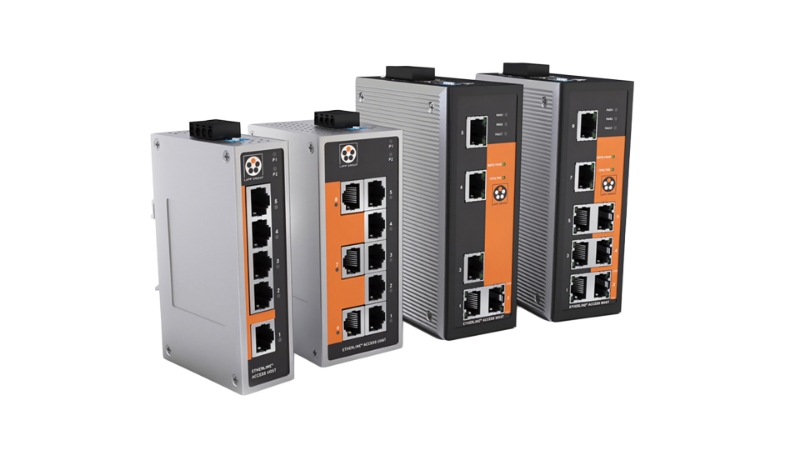
A network may have one segment physically connected using Industrial Ethernet Switches, while another segment is connected using Industrial Wireless. Remote access to the network may use 4G VPN tunnels, or even operate across VPN tunnels and Starlink satellite connections. VPNs play a significant role in modern industrial connectivity, particularly where equipment or sites need to be accessed remotely without extending the physical network between locations.
This means an industrial network is no longer necessarily a single physical network. Different connection technologies can be combined to provide connectivity between machines, production areas, remote sites and support personnel. ECS provides Industrial Cellular and VPN Remote Access Solutions alongside wired and wireless networking technologies.
Reliability
OT systems require predictability and reliable hardware platforms.
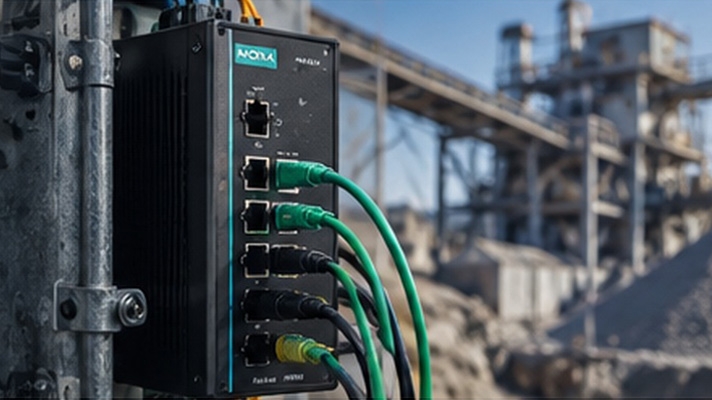
Industrial switches, routers and gateways are often designed and certified for environments where equipment can be exposed to electromagnetic interference, vibration, temperature extremes and other environmental conditions. Depending on the device and application, industrial networking hardware can be available with certifications or ratings covering requirements such as EMC, vibration, shock, marine environments and wide operating temperatures, including ranges such as -40°C to +85°C. These requirements are one of the key differences between industrial networking and conventional commercial networking. The network hardware has to remain suitable for the environment in which the OT system operates. Reliability also increasingly includes visibility into the network itself. Many industrial networking devices now support SNMP (Simple Network Management Protocol), allowing Network Management Systems (NMS) to monitor devices in the field and provide visibility into network infrastructure. ECS offers multiple vendor Network Management Software that forms part of this wider approach to network monitoring and management.
Security Is Becoming Part Of The Architecture
Twenty years ago, OT systems were often relatively standalone from IT systems in terms of security.
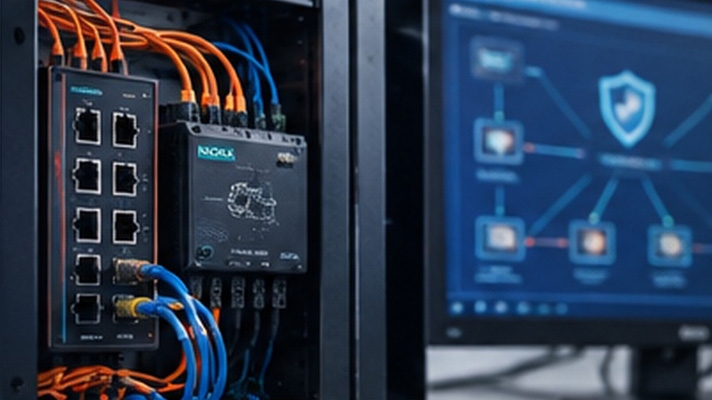
Today, OT routers, switches and other networked devices increasingly sit alongside IT systems and face many of the same security considerations, including vulnerability management, security updates and recognised cybersecurity standards. Remote access to OT systems therefore requires more than simply establishing a connection. Secure VPN devices can be used to protect internal network infrastructure while providing controlled remote connectivity. Industrial Secure Firewalls can form part of an architecture designed to control traffic between machine networks and wider site networks, while Network Security Appliances can provide additional network security functions. For remote applications, VPN Remote Access Solutions can provide controlled access to industrial systems. The convergence of IT and OT therefore means that network architecture, remote access and cybersecurity increasingly need to be considered together.
Designing The Network Around The Application
There is no single networking technology that suits every OT application.
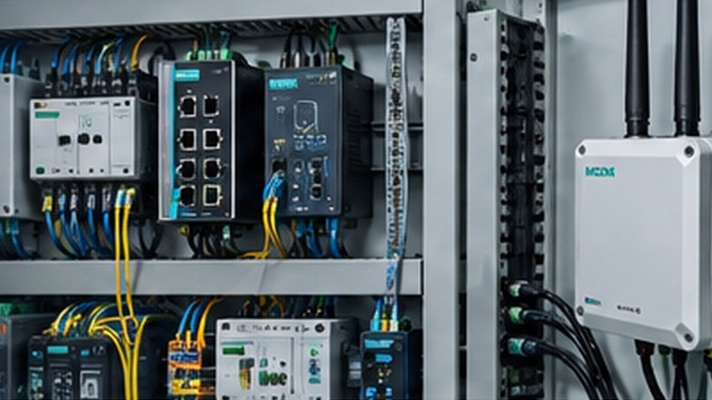
An industrial network may combine Ethernet switching, serial connectivity, fieldbus gateways, fibre, wireless, cellular and VPN connectivity, depending on the equipment and operating environment.
The architecture needs to account for the technologies already in use, the distances involved, environmental conditions, remote-access requirements, network management and security. For OEMs, system integrators and manufacturers, this makes the selection of network infrastructure an important part of the wider automation design rather than simply a matter of connecting devices.
A Total Solutions Approach
The challenge is not simply selecting an individual switch, gateway, router or connectivity product.
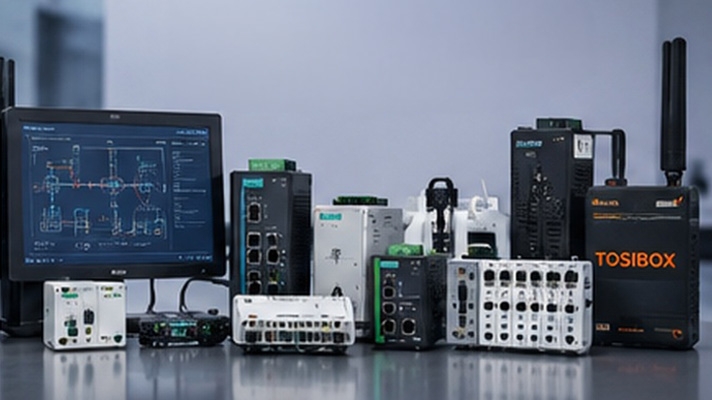
It is bringing together the technologies required to create a network that works across the OT environment. ECS's automation and networking portfolio spans Industrial Ethernet, switching, wireless, remote access, PLC & I/O, security, serial connectivity, media conversion, fieldbus gateways, cellular connectivity and network management.
These technologies are supported by carefully curated international products and specialist technical knowledge, allowing ECS to work across the different requirements of industrial automation and networking. That is the value of a total solutions approach: bringing complementary technologies together around the requirements of the application, rather than supplying individual products in isolation.

Connecting The Next Generation Of Industrial Networks
As New Zealand manufacturers continue to adopt digital technologies, industrial networks are becoming a point of convergence between existing OT infrastructure and newer IT and automation technologies.
The networks supporting these environments need to accommodate legacy protocols, modern Ethernet, different physical and wireless connections, remote access, network management and increasingly sophisticated security requirements. For manufacturers, OEMs and system integrators, the challenge is not simply connecting the next device. It is building an infrastructure that can connect the technologies already in use with the systems that come next. ECS provides the networking, automation and connectivity technologies to help build that infrastructure around the requirements of the application.
Need help designing the right industrial network?
Our experienced industrial automation and networking team can help you select the right technologies for your application, and even design your network. Speak with one of our specialists for technical advice, product selection, network requirements, availability and solution enquiries, or explore our range.
Sources & Further Reading
Callaghan Innovation — 2025 Industry 4.0 Insights Survey
NZ Manufacturer — Adoption of smart practises by manufacturers across New Zealand
EMA — RML Industry 4.0 Case Study
MBIE — Digital Manufacturing Light Programme
LAPP — Industrial Communication & Networking
ISA — ISA/IEC 62443 Series of Standards
CISA — Industrial Control Systems Cybersecurity Guidance